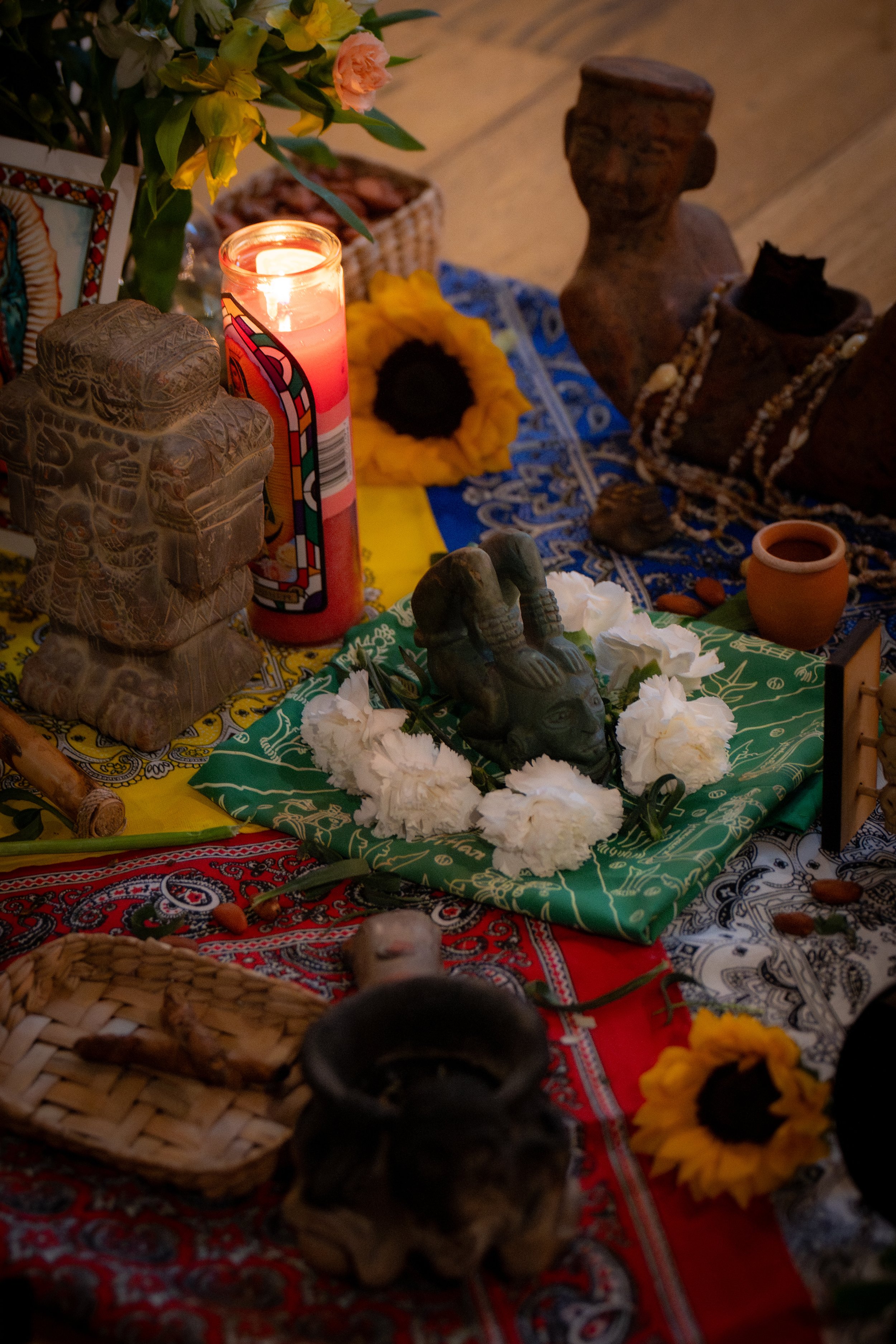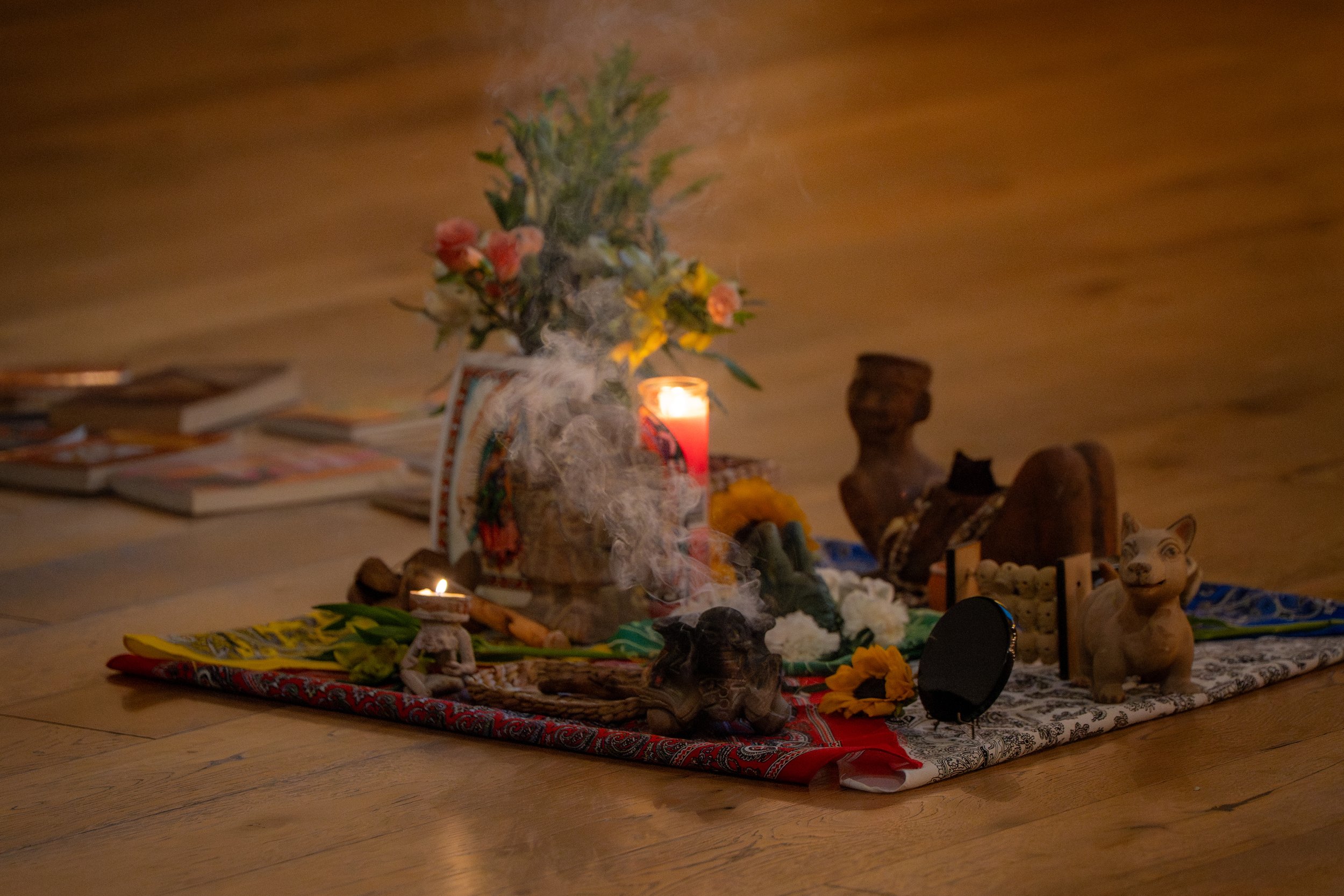
Toltequity or Toltecayoatl was not exclusive to one ethnic group, but a heritage shared by all Anahuacans.
In Anahuac, what we now know as the Americas, the Nahua peoples had Toltekayotl, or Toltequity, a term coming from the ancient root Tol, related to the clumps of reeds and metaphor of social solidarity. From these concept derive the terms Toltekatl (Nahuatl) and Ajtoltekat (Mayan Quiché), which means an artist, cultured person of wisdom and self experience. Meaning the Art of Living.
What is Kinam?
Kinam, meaning "balance," "power," is a term from the Mayan language. It is the name given in recent times to a system of human development based on psychophysical techniques created by the shamans of ancient Mexico. These techniques arose from a practical need: Wisemen discovered that the lack of mobility caused by seeking comfort and following a Western lifestyle caused us to lose some of the skills we had developed throughout our evolution, so it was decided to do something about it.
In response to the loss of physical capacity and the increasingly dense mental dialogue, they created power postures and the arts of meditation, recapitulation, dreaming, and stalking.
These techniques were created for a society very different from our own. The largest cities in ancient Mexico had no more than 160,000 inhabitants, so all their inhabitants maintained some contact with Nature, which resulted in health and a capacity for attention. In addition, children received psychophysical education from a very early age.
Unlike other linear systems (such as Hindu Yoga), Kinam has a fractal and radial structure, based on Toltec cosmology. The system organizes human development into five directions or dimensions, which correspond to the human being’s energetic channels: The Physical, Vital, Emotional & Mental. These are cultivated through various mediums.
@institutokinam
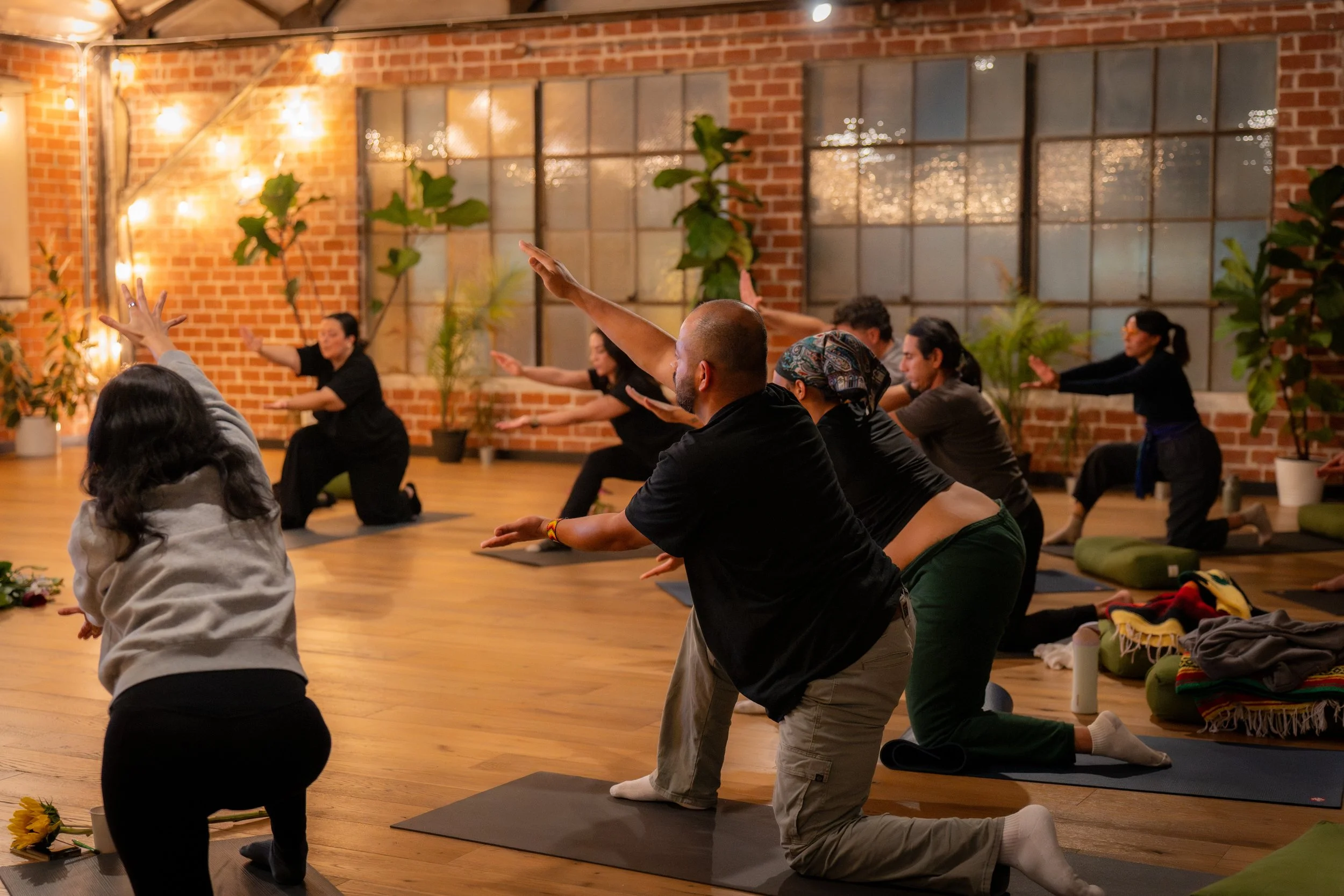
A lived experience at the Tree Yoga.
-
![]()
Physical.
In the direction of the South abodes the Tonal (Physical Body): This is cultivated through proprioception and power poses. Its element is Earth, and its objective is to channel energy and provide stability.
-
![]()
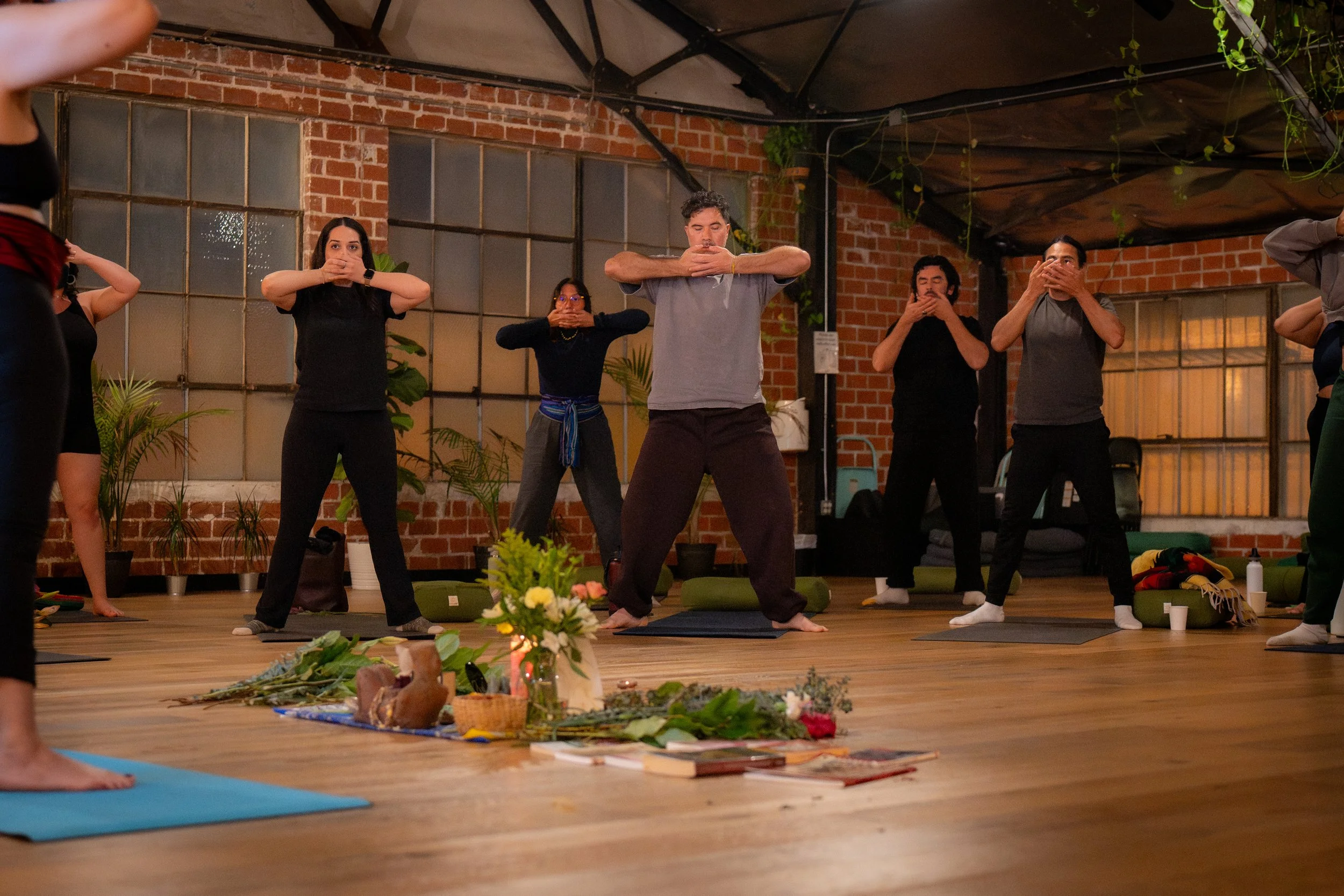
Vital.
In the East abodes the Breath (Vital Energy): This is cultivated through meditation (*theomania*). Its element is Fire, and its purpose is to distribute energy and seek transcendence.
-
![]()
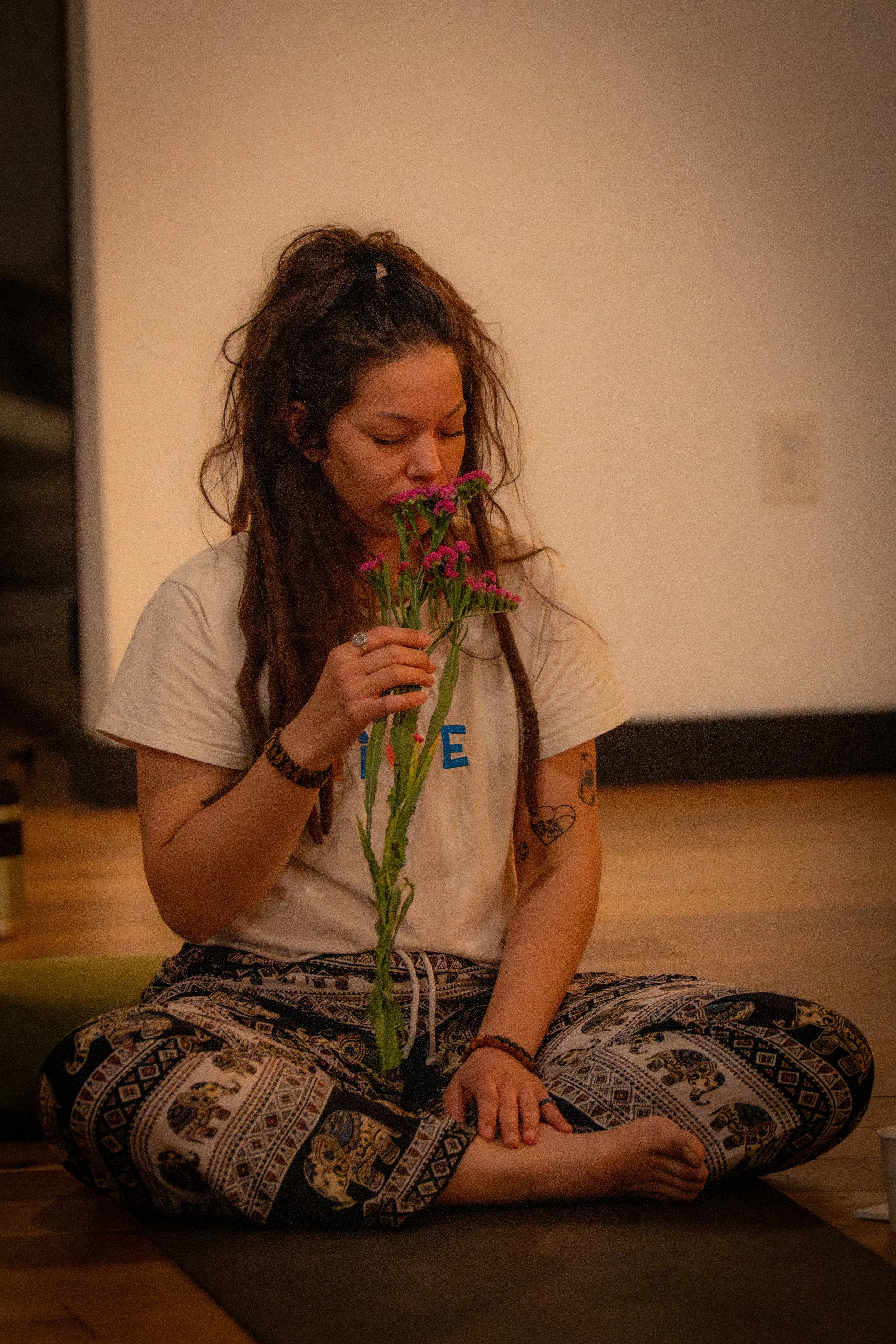
Emotional.
The West abodes our Emotions: This channel is cultivated through Recapitulation (*Tlania*). Its element is Water, and its goal is to recover energy and unblock emotional knots through introspection.
-
![]()
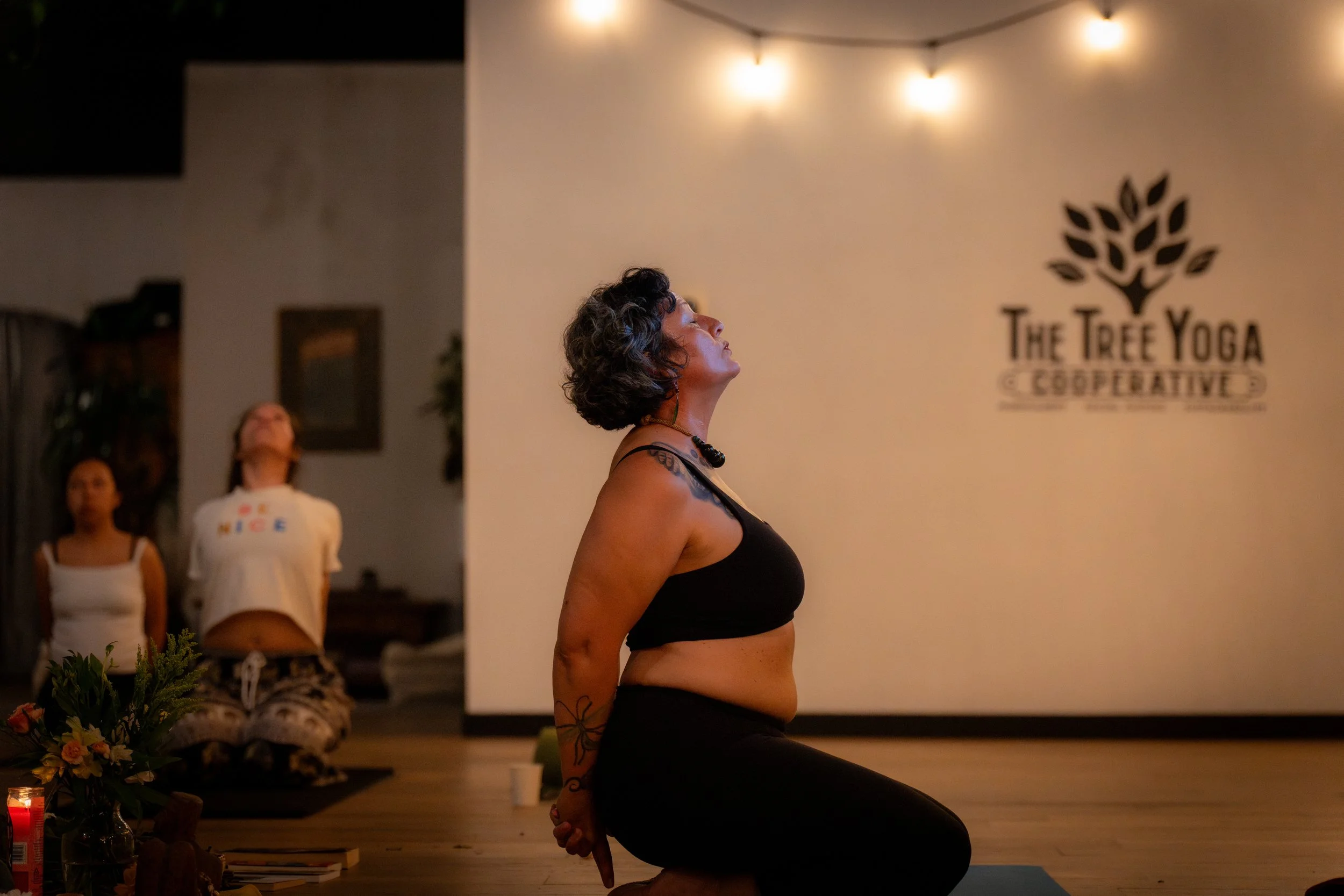
Mental.
In the North the Mind: This channel is cultivated through Stalking (*Tlachia*). Its element is Air, and its goal is to focus attention and control social behavior.
-
![]()
Center.
Description gThe Center, our Nahual (Our Essence): We cultivate this through Reveries (*Temikmati*). Its element is Movement. It is the point of synthesis where the potential of consciousness is projected and total balance is sought.oes here